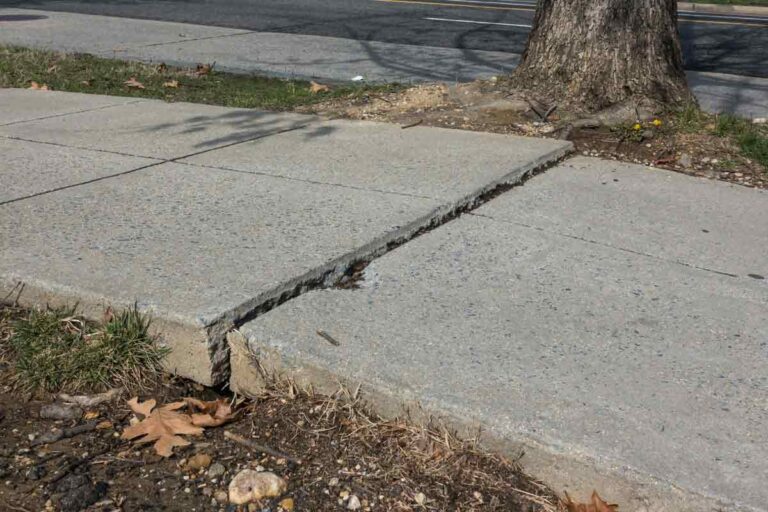

- A brownstone stoop is part of the owner’s property, not the public sidewalk, so a fall on a friend’s Brooklyn stoop usually points to the building’s owner.
- New York property owners owe reasonable care to everyone they can expect on the property, including invited guests.
- A claim usually goes to the owner’s homeowner’s insurance, not your friend’s own pocket.
There are few worse places to sustain an injury than at a friend or relative’s house. Unfortunately, this happens more often than you may think, and in Brooklyn, it often happens on the way in: on a steep, worn stoop in front of a brownstone or two-family home. If you’ve recently been hurt on your friend’s property due to no fault of your own, you should continue reading and consider speaking with our knowledgeable Brooklyn personal injury lawyer today. Here are some of the questions you may have:
Who is responsible for a fall on a Brooklyn stoop?
Usually the owner of the building. A stoop is the set of steps leading from the sidewalk to the front door, and it belongs to the property, not the City. That matters because New York City’s sidewalk law treats small owner-occupied homes differently: under NYC Administrative Code § 7-210, owners of owner-occupied one-, two- and three-family homes generally aren’t responsible for the public sidewalk out front. The stoop is a different story. It’s part of the owner’s own property, so the ordinary duty to keep it reasonably safe applies.
Common stoop hazards include:
- Crumbling or uneven brownstone steps
- Loose or missing handrails
- Ice and snow left on the steps
- Poor lighting at night
What if my friend rents the apartment?
Then the landlord may be the one responsible. In a two-family or brownstone building, the owner often lives on one floor and rents the other, or lives elsewhere entirely. The stoop and front steps are usually under the owner’s control, even when your friend is the one who invited you. A tenant can be responsible for hazards inside their own apartment that they created or should have fixed. Our premises liability lawyers start by figuring out who controlled the spot where you fell.
Will I have to sue my friend if I’m injured on his property?
Oftentimes, when someone is injured on another person’s property, they won’t want to sue that person. However, that doesn’t change the fact that they’ve been seriously injured and may need financial compensation to heal. In most cases, a claim for an injury on someone’s property is paid by their homeowner’s or renter’s insurance, not out of the person’s own pocket. New York’s highest court, in Basso v. Miller (1976), made clear that property owners owe reasonable care to everyone, guests included. For more on what that insurance covers, see whether you have to sue a friend after an injury at their home.
What should I do if I’m injured on my friend’s property?
If you are injured on your friend’s property, you should do everything you can to document the incident. This means taking pictures of the stoop or other unsafe condition that caused your accident, asking any witnesses for their contact information, and seeking immediate medical treatment for your injury. If you are seriously injured, you may wish to call the police to the scene of the accident, as they can send an ambulance that will transport you to a hospital. Ensure you keep a copy of all medical documentation and bills associated with your injury.
How long will I have to file a personal injury claim in New York State?
After an injury, it is critical that you file your claim within the state’s statute of limitations. The statute of limitations for personal injury claims in New York State is, typically, three years under CPLR 214, which means that in most cases, you will only have three years from the date of your accident to take legal action against the liable party. Our legal team is prepared to guide you through every step of the legal process ahead. All you have to do is pick up the phone and give us a call.
Common Questions About Falls at a Friend’s Brooklyn Home
What if I fell on the sidewalk in front of the stoop?
That can be a different claim. For an owner-occupied one-, two- or three-family home, the City is generally responsible for the public sidewalk, and a City claim starts with a notice of claim, generally due within 90 days.
Does it matter that I’d been drinking at the party?
It can reduce what you recover if it played a part in your fall, but it doesn’t automatically end your claim. The owner still had to keep the steps reasonably safe.
Our entire legal team is dedicated to providing the advice you need and the personalized attention you deserve. You may be entitled to financial compensation, which can help you on your road to recovery.
Speak With a New York City Injury Lawyer Today
To talk about what happened, call our office at (212) 421-0300 or request a free case evaluation online.