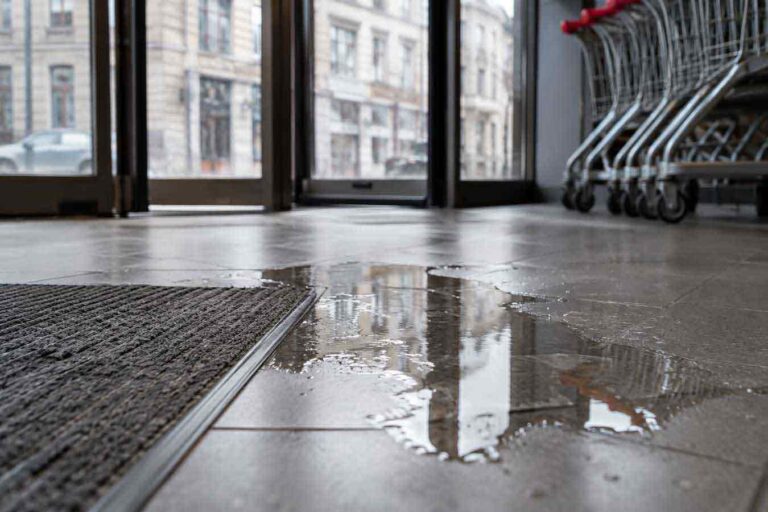
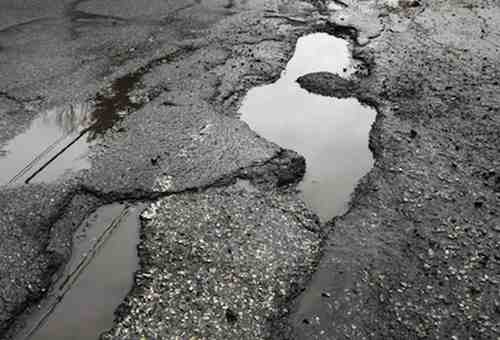
- Spring in NYC brings its own fall hazards: rain tracked into lobbies and stores, potholes and sidewalk heaves left by the winter freeze-thaw, and outdoor dining setups that narrow sidewalks and add platforms, ramps and cords.
- Roadway dining runs April 1 to November 29 each year, and sidewalk cafes can operate year-round. The restaurant that sets up and runs the structure is usually the first party responsible for keeping it safe.
- As with any fall, the key is whether the owner or operator knew or should have known about the hazard and had time to fix it.
In New York City, most of us are glad to see the snow go. But spring has its own hazards for people on foot, and some are new to the city’s streets in the last few years. A personal injury lawyer from The Law Offices of Richard M. Kenny sees the same spring patterns every year.
What types of spring hazards are most likely to cause slip and fall accidents in NYC?
- Rain tracked indoors. Wet lobbies, store entrances and vestibules with no mat or a soaked one. Our post on wet floors in your own building covers indoor water.
- Potholes and sidewalk heaves. Winter freeze-thaw cycles crack pavement and lift sidewalk flags. Our post on potholes and sidewalk heaves covers who’s responsible for each.
- Outdoor dining setups. Platforms, ramps, planters, heaters, cords and barriers along sidewalks and curbs.
- Pooling water from clogged drains and gutters.
- Spring construction and sidewalk sheds as building work picks back up.
What Should I Know About Outdoor Dining Trip Hazards?
The city’s outdoor dining program is now permanent. According to the NYC Department of Transportation, roadway dining operates seasonally from April 1 to November 29, sidewalk setups can operate year-round, and as of March 2025 about 2,600 establishments had approval to operate on roadways or sidewalks. DOT runs the approvals.
That means more structures in spaces pedestrians use. Common hazards:
- Raised platforms with edges that are hard to see, especially at night
- Ramps and transitions with a lip or gap
- Extension cords and heater cables run across walkways
- Barriers, planters and chairs that squeeze the sidewalk and push people toward the curb
- Platforms left in poor repair or not removed properly at the end of the roadway season
Who’s responsible depends on what caused the fall. The restaurant that installs and runs the setup usually has to keep it safe. A defect in the sidewalk itself is generally the responsibility of the owner of the building next to it. A pothole in the roadway is generally a City issue, with a 90-day notice of claim. More than one can share responsibility.
How does spring weather in NYC increase the risk of premises liability accidents?
Rapid temperature swings crack pavement, rain finds every low spot, and busy sidewalks get busier. Owners and operators don’t have to make conditions perfect, but they do have to fix or warn about hazards they know about, or should have known about because the hazards were there long enough. That’s constructive notice, and it’s usually the center of a spring fall claim.
What should I do if I slip and fall due to a spring-related hazard in NYC?
- Get medical care right away.
- Report it to the restaurant, store or building and ask for an incident report.
- Photograph the hazard, including platform edges, ramps or cords, and the whole setup around it.
- Note the restaurant’s name and address.
- Get witness names.
Common Questions About Spring Falls
I tripped over a restaurant’s dining platform. Who do I sue?
Usually the restaurant, and sometimes the building owner. A lawyer will look at who installed and maintained the platform.
Are outdoor dining setups inspected?
DOT approves and oversees the program. Approval doesn’t mean a setup was safe on the day you fell.
Is spring rain like a snowstorm for liability?
Not exactly. Indoor water tracked in from rain is judged under ordinary premises rules. Our post on seasonal fall patterns covers each season.
Our sidewalk injury lawyers and a personal injury lawyer at The Law Offices of Richard M. Kenny can figure out who was responsible for the spot where you fell.
Free Case Evaluation From Our NYC Law Firm
Call (212) 421-0300 or request a free case evaluation to speak with the New York City personal injury lawyers at The Law Offices of Richard M. Kenny.