- The Trader Joe’s at 2073 Broadway and West 72nd Street reopened on September 12, 2026, after a four-month remodel. The company said the work included its “vertical transportation systems,” the escalators and elevators between floors.
- In New York, a store is generally responsible for a fall only if it created the hazard, knew about it, or should have found it in time. Where you fell, whether in an aisle, on an escalator or on the sidewalk outside, can change who else is involved.
- Most New York injury lawsuits must be filed within three years. A fall on transit property, like the subway stairs at the corner, needs a notice of claim within 90 days.
No one expects to get seriously hurt doing something as ordinary as grocery shopping. If you recently slipped and fell at the Trader Joe’s on Broadway and 72nd Street because of a dangerous condition, our firm can help you sort out what happened and what comes next. A Manhattan slip and fall accident lawyer from The Law Offices of Richard M. Kenny can walk you through how these claims work.
The store sits at 2073 Broadway, at the corner of West 72nd Street, in the retail space of The Corner, a residential tower steps from the 72nd Street station on the 1, 2 and 3 lines. Trader Joe’s has called it the busiest of its stores anywhere. Shopping here happens on more than one level, linked by escalators and elevators, so the exact spot where you fell matters.
What Should You Do After a Slip and Fall at Trader Joe’s?
After sustaining a slip and fall injury at Trader Joe’s, the first thing you should do is get medical care. If you need to call 911, do so. Once you do this, if you are capable, you should do everything in your power to take the following steps:
- Report the fall to a manager. Ask for a copy of the incident report, or make a note of who you spoke with and when.
- Photograph the area where you fell. Get a close-up of what caused you to slip, as well as a wider photo showing where it was and whether there were any warning signs nearby. If you fell on or near an escalator, note which one and which floor you were on.
- Get witnesses’ contact information. Someone who saw a spill before you got there may know how long it had been there.
- Save records of expenses and missed work. Keep your store receipt, your medical paperwork, and any record of the shifts you missed because of your injuries.
Photos from that day carry the most weight, and there are simple ways to take ones that hold up later. For a serious injury, Mount Sinai Morningside at 1111 Amsterdam Avenue is a state-designated Level II adult trauma center, and same-day treatment starts the record that ties your injury to the fall.
When Can Trader Joe’s Be Held Responsible for a Slip and Fall?
Trader Joe’s may be liable if its negligence caused your injuries. In a New York grocery store case, you generally have to show that the store created the hazard, knew about it and failed to address it, or should have discovered and addressed it before you fell. New York’s highest court set that last test in Gordon v. American Museum of Natural History: the hazard has to be visible and apparent, and there long enough for employees to find and fix it. Trial courts apply the same rule to supermarket spills, as a Nassau County judge did in a 2008 ruling that let a shopper’s case against a Pathmark store go forward.
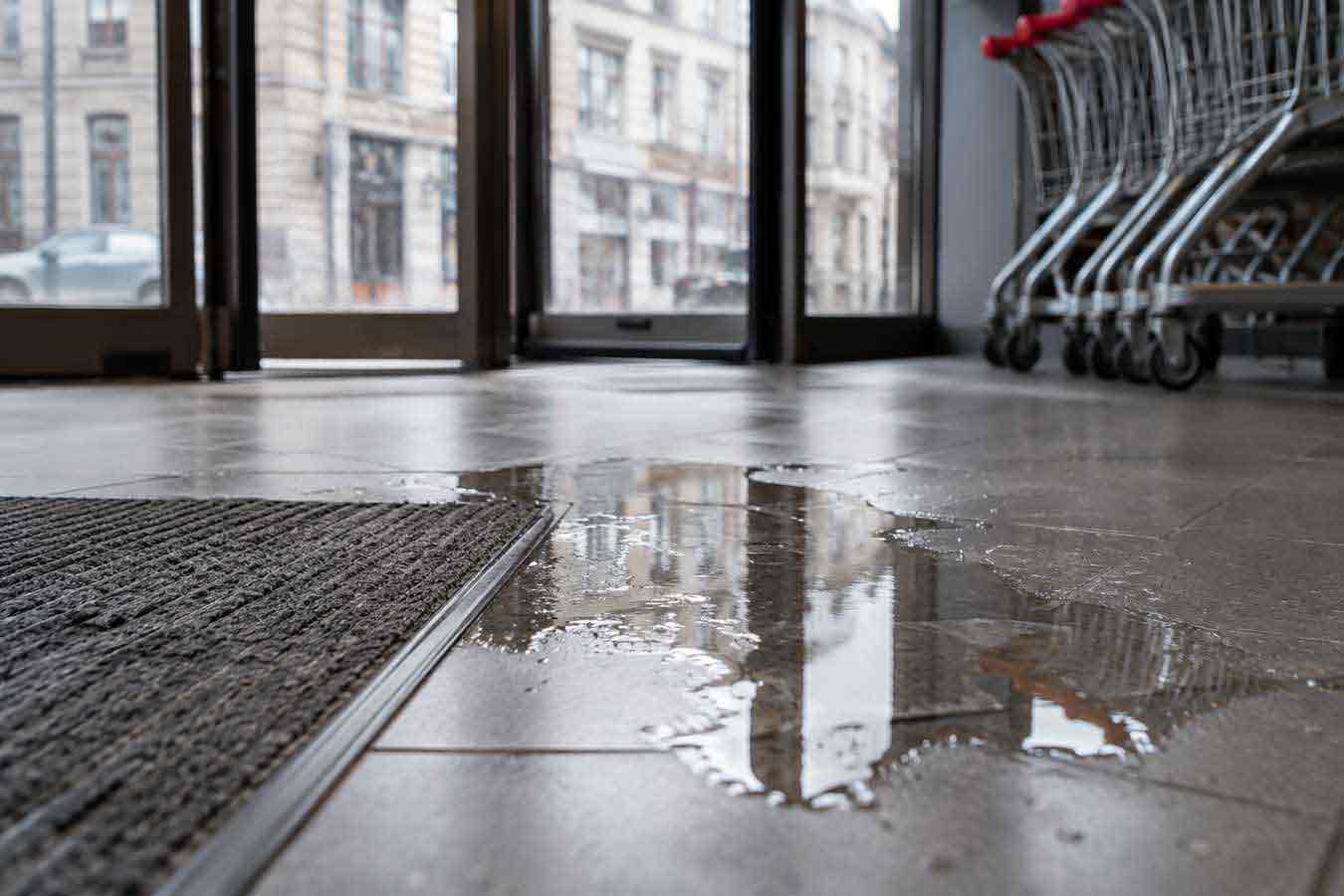
For example, if another shopper had already told an employee about the spill, that may help show the store knew about it. Even without a report, surveillance footage or a witness’s account can help show whether the spill was visible and had been there long enough for employees to find it and do something about it.
On an escalator, the company hired to maintain it can share responsibility with the store. The Department of Buildings keeps compliance records for every escalator in the city by device number, with inspection filing dates; in November 2026 they listed 1,841 active escalators in Manhattan. A slip and fall attorney can request those records along with the store’s cleaning and inspection logs.
How Long Do I Have to Sue?
After sustaining an injury in New York State, you generally are required to file a personal injury lawsuit within three years of the date of your accident under CPLR 214. If you wait any longer than three years, you will typically be time-barred from suing permanently. The sooner you reach out to an attorney, the sooner we can begin gathering evidence, so it’s always best to contact a lawyer as soon after your accident as you can.
One exception sits right at the corner. A fall on the stairs or platform of the 72nd Street subway station is a claim against the New York City Transit Authority, which requires a notice of claim within 90 days and a lawsuit within one year and 90 days under Public Authorities Law § 1212.
Common Questions About a Fall at the Trader Joe’s on Broadway and 72nd Street
What if I fell on an escalator at Trader Joe’s?
Report it to a manager right away and note which escalator and floor you were on. An escalator fall can involve both the store and the company that maintains the equipment. City inspection records, store video and the incident report help show whether it was working the way it should have been.
What if the store says no one reported the spill?
That doesn’t end the claim. New York law also asks whether the spill was visible and there long enough that employees should have found it. Video, witnesses and the store’s cleaning or inspection logs can answer that, which is why a slip and fall lawyer asks for them early.
What if I fell on the sidewalk outside the store?
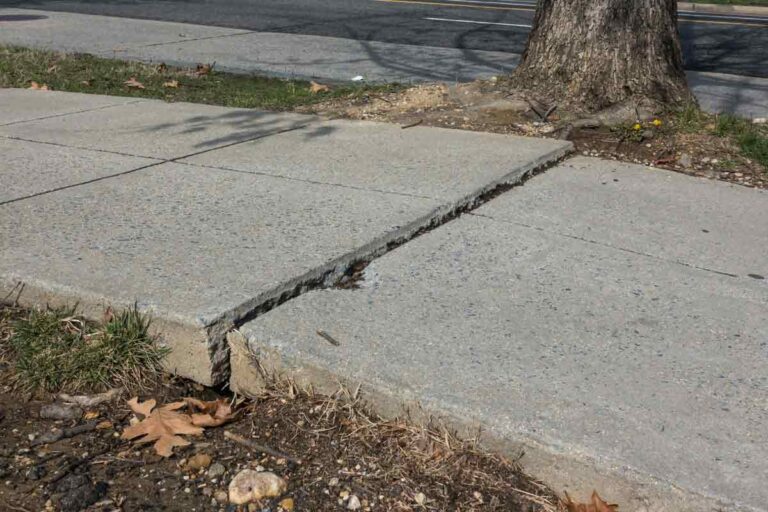
Under the city’s Administrative Code (§ 7-210), the owner of the building next to a sidewalk is generally responsible for keeping it safe, and that owner may not be the store. Photograph the exact spot, any crack, ice or debris, and the storefront so the location is clear.
If you were hurt at the Trader Joe’s on Broadway and 72nd Street, our Manhattan personal injury lawyers can look at where the fall happened and who was responsible for that spot, and a New York City personal injury attorney can talk it through with you before you decide anything.
Hurt in NYC? Our Legal Team Is Here to Help
You don’t have to sort this out alone. Call (212) 421-0300 or request a free case evaluation with The Law Offices of Richard M. Kenny.