- A store or property owner is generally responsible for a fall only if it created the hazard, knew about it, or should have found and fixed it because it was visible and had been there long enough.
- On most Fordham Road sidewalks, New York City law puts the duty to keep the sidewalk reasonably safe on the owner of the property next to it, and DOT records list 8 sidewalk defect violations on East and West Fordham Road from 2023 through 2025.
- You generally have three years to sue a private owner, but a claim against the City needs a notice of claim within 90 days and a lawsuit within 1 year and 90 days.
Few things are more jarring than walking along, minding your own business, when suddenly, you feel your legs give way and you’re falling to the ground. Sometimes a fall is nobody’s fault, like tripping over an untied shoelace. However, people are harmed due to dangerous property conditions here in the Bronx, including on Fordham Road, one of the borough’s busiest shopping streets. If you are someone who has sustained a serious slip and fall injury on Fordham Road, our firm is here to help. A Bronx slip and fall lawyer from The Law Offices of Richard M. Kenny can help you sort out who was responsible and what to do next.
Who Can Be Held Responsible for a Slip and Fall on Fordham Road?
A store operator or property owner may be responsible for your injuries if they had a duty to keep the area safe and their negligence caused you to fall. This generally means showing that they created the hazard, knew it was there and failed to do anything about it, or should have noticed and addressed it because it was apparent and had been there for some time. That is the standard the New York City Bar describes for slip and fall claims.
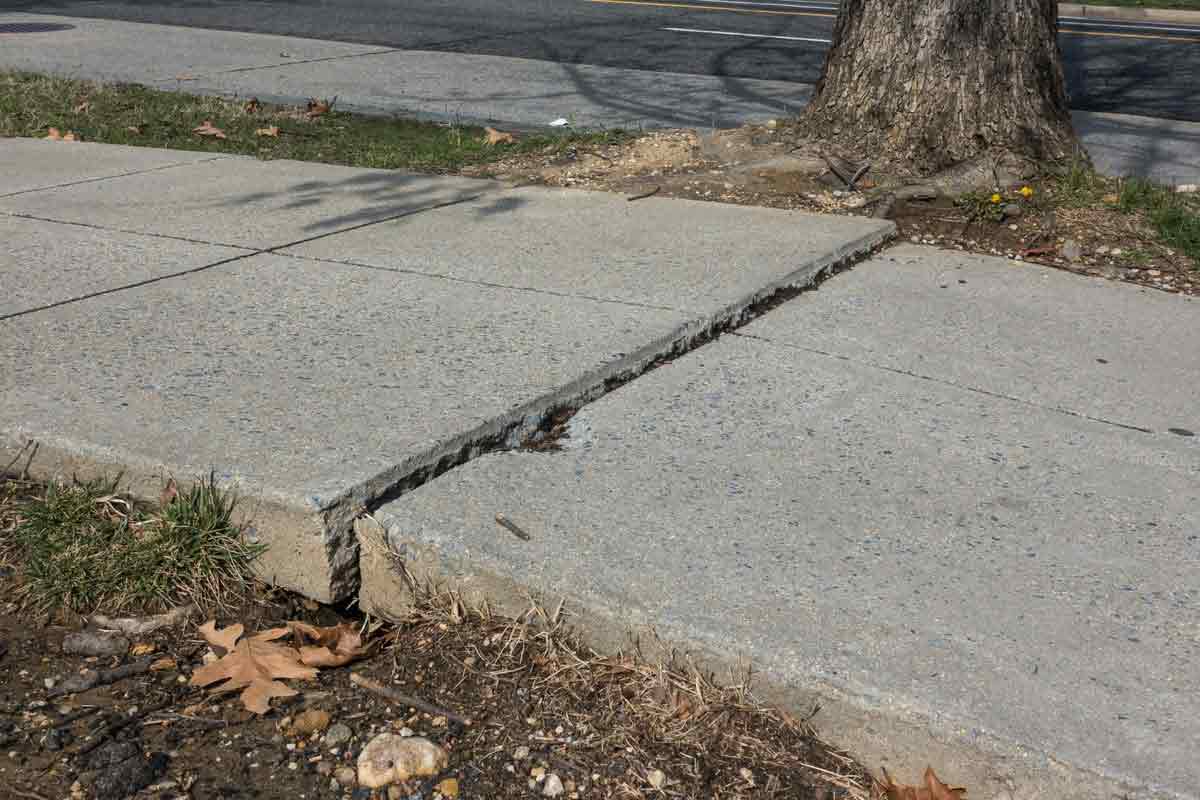
If you fell on the sidewalk outside a business, New York City generally puts the responsibility for keeping that sidewalk reasonably safe on the adjoining property owner under Administrative Code § 7-210. This includes fixing broken pavement and clearing snow and ice. The main exception is a one-, two- or three-family home that the owner lives in and uses only as a residence, where the City generally keeps that duty. The same rule applies on other Bronx shopping streets, including the Hub at East 149th Street and Third Avenue.
You can also check whether the City had already flagged a sidewalk. DOT’s Sidewalk Management Database lists the notices of violation it issues for sidewalk defects. From 2023 through 2025 it shows 8 on East and West Fordham Road, each marked as a trip hazard. A violation issued before your fall can help a slip and fall lawyer show the owner knew about the problem.
If you were near Fordham Plaza at Fordham Road and Webster Avenue, try to remember whether you were inside a shop, on the sidewalk in front of it, or next to a vendor kiosk in the plaza. Even something as simple as a storefront number or a photo of the nearest entrance can help you figure out who was supposed to maintain the spot where you fell.
What Should You Do After a Slip and Fall on Fordham Road?
First, you should get medical care, even if you think the pain will go away on its own. One nearby option is St. Barnabas Hospital, a Level II trauma center at 4422 Third Avenue, just south of Fordham Road. If you or someone who was with you can safely gather information, there are several things you can do while the details are still fresh. They are as follows:
- Take photos. Photograph the spot, the hazard, your shoes and the nearest storefront number before anything is cleaned up.
- Report the fall. Tell the manager or building staff and ask for a copy of any incident report.
- Get the names and phone numbers of any witnesses. Someone who saw the hazard before you fell matters too.
- Ask the business to save its surveillance footage. Many systems record over themselves, so ask in writing right away.
- Hold on to your records. Keep your medical records and bills, which matter when you sort out who pays your medical bills after a Bronx slip and fall.
How Long Do You Have to File a Slip and Fall Claim in the Bronx?
In New York, you generally have three years from the date of your fall to sue a private party for personal injuries under CPLR 214.
If your claim is against New York City, you generally have 90 days from the date on which you fell to serve a notice of claim under General Municipal Law § 50-e. You generally have one year and 90 days from the date of the accident to file the lawsuit itself.
For certain sidewalk defects, you may also have to show that the city received written notice of the hazard before you fell and had time to fix it, under Administrative Code § 7-201(c). That earlier written notice is separate from the notice of claim you must serve after the accident.
The Civil Term of Bronx County Supreme Court is at 851 Grand Concourse.
Common Questions About Slip and Fall Accidents on Fordham Road
What if the store says I wasn’t watching where I was going?
That doesn’t end your claim. In a New York slip and fall case, CPLR 1411 reduces your recovery by your share of the fault instead of barring it. The stricter 2026 fault rule applies to car accident cases, not falls, and a slip and fall attorney can push back on an inflated share of blame.
Who is responsible if I fall near a vendor kiosk in Fordham Plaza?
It depends on what caused the fall. The City lists Fordham Plaza as managed by the Department of Transportation and a concessionaire, so a defect in the plaza itself may mean a claim against the City, with the 90-day notice deadline. A spill from a vendor could point to the vendor.
Can a lawyer help with a slip and fall case if I wasn’t badly hurt?
Yes. New York has no minimum injury threshold for slip and fall claims; the serious injury threshold applies only to car accidents. A personal injury attorney can tell you whether you have a claim before the deadlines run out.
If you’re still piecing together what happened on Fordham Road, bring any photos or notes you’ve already gathered to a Bronx personal injury lawyer at our firm.
Get Help From Our New York City Legal Team
Our team is ready to review your case. Call (212) 421-0300 or request a free case evaluation today. There is no fee unless we win your case.