
- Unintentional falls killed 48,308 people in the U.S. in 2024, according to CDC mortality data, and many fatal falls involve stairs, floors, and other property conditions that should have been kept safe.
- Proving these claims takes more than showing a hazard existed — families must show the owner created it, knew about it, or should have discovered it, often with expert testimony and prompt evidence-gathering.
- New York generally allows two years to file a wrongful death claim, but claims involving city-owned property can require notice within 90 days — reach out for a free consultation to protect your family’s rights early.
Nothing is more devastating than losing a loved one due to another party’s negligence. Though people traditionally think of auto accidents when they hear the phrase “wrongful death” in the context of personal injury claims, the truth is, dangerous property conditions are also an all-too-common cause of wrongful death here in New York City. Unintentional falls alone caused 48,308 deaths nationwide in 2024, according to the CDC’s National Vital Statistics System, and that’s before accounting for fires, structural collapses, and other hazards tied to poorly maintained property. If your loved one is a victim, please continue reading and reach out to a knowledgeable and dedicated NYC personal injury lawyer from The Law Offices of Richard M. Kenny to learn more about wrongful death from unsafe property conditions and how our legal team can help you pursue the full and fair compensation to which you are entitled. Here are some of the questions you may have:
What Unsafe Property Conditions Can Lead to a Wrongful Death?
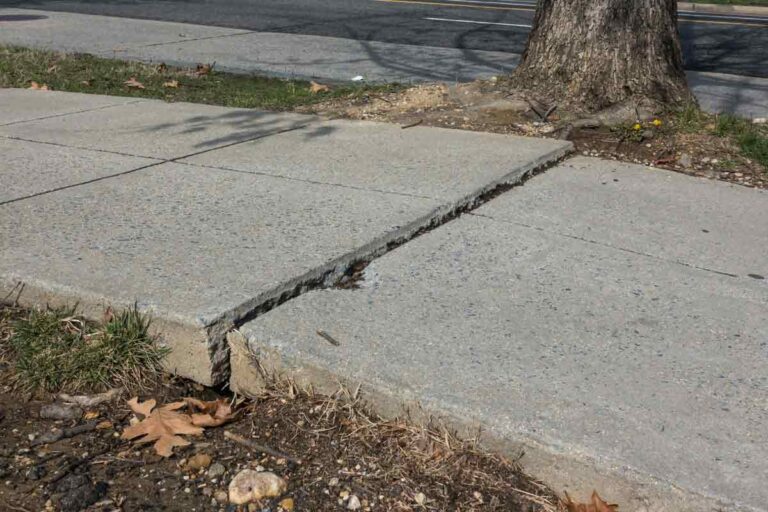
Those responsible for maintaining a premises are generally required to take reasonable steps to keep it safe for the people on it. A claim may be warranted when an owner, landlord, managing agent, contractor, tenant, or government entity created a hazard or knew, or should have known, about it and failed to correct it. Some unsafe property conditions that may cause a fatal accident include the following:
- Faulty wiring, blocked exits, or defective fire alarms
- Broken stairs, damaged balconies, or unprotected rooftops
- Collapsing ceilings, façades, scaffolds, or walls
- Malfunctioning elevators and escalators
- Inadequate security when criminal activity was foreseeable
- Carbon monoxide exposure, gas leaks, or electrocution
- Snow, ice, spills, debris, or other walking hazards
How Can a Family Prove That a Property Owner Was Responsible?
To prove that a property owner was responsible for the fatal accident, the representative of the estate will have to provide evidence that proves their loved one was killed as a direct result of the unsafe property condition. Since a property owner may quickly repair a hazard after an accident, gathering evidence promptly can make a significant difference. Some examples of potentially useful evidence can include the following:
- Surveillance footage, photographs, and witness statements
- Maintenance, inspection, and repair records
- Earlier complaints, work orders, and emails about the hazard
- Building permits and Department of Buildings violations
- 911 calls, FDNY reports, police reports, and medical records
- Testimony from engineers, fire investigators, or safety experts
When a loved one survives their injuries for a period of time before passing, the hospital records from that treatment often become some of the most important evidence in the case. Manhattan victims of severe property-related injuries are frequently brought to a facility like NewYork-Presbyterian/Weill Cornell Medical Center, a Level I Trauma Center at 525 East 68th Street, New York, NY 10065, and those records can help establish both the severity of the injury and the timeline of events.
Who Can File a New York Wrongful Death Claim, and How Long Do They Have?
In New York, the estate’s personal representative files the action for eligible surviving family members. Compensation may include funeral expenses, final medical costs, lost wages, lost financial support, and the value of household services or parental guidance, following the same general framework that applies to wrongful death claims across New York.
Under New York Estates, Powers and Trusts Law § 5-4.1, a wrongful death lawsuit generally must be filed within two years of the death. However, far shorter deadlines may apply when city-owned property, NYCHA housing, a public school, or another municipal defendant is involved. For many claims against a public corporation, General Municipal Law § 50-e requires notice within 90 days, though that period in a wrongful death case runs from the estate representative’s appointment.
If you have any additional questions or would like to speak with a seasoned attorney about your case, simply contact The Law Offices of Richard M. Kenny for a free consultation today.
CONTACT OUR EXPERIENCED NEW YORK CITY FIRM
Our entire legal team is dedicated to providing the advice you need and the personalized attention you deserve. If you have been injured due to another party’s negligence, call (212) 421-0300 or fill out our contact form to schedule a free consultation with our Manhattan personal injury lawyers. You may be entitled to financial compensation, which can help you on your road to recovery.