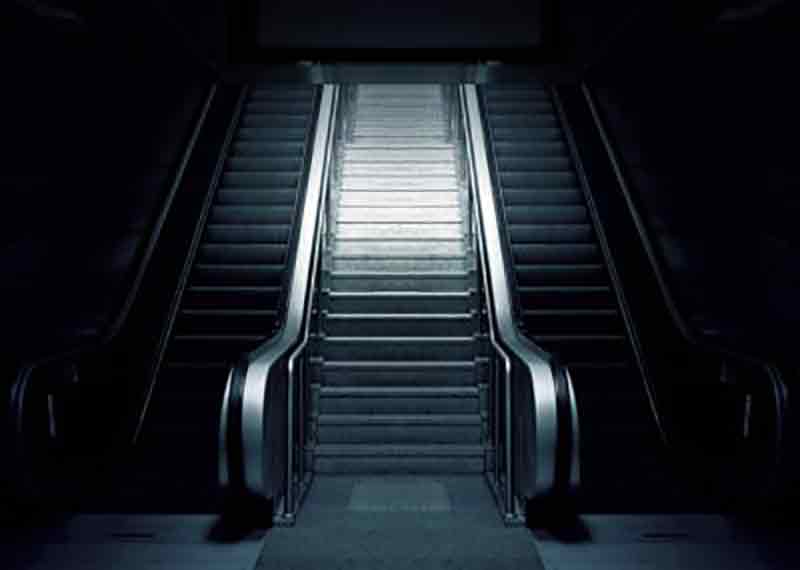
- Some of the most serious escalator injuries come from the machine itself: sudden stops that throw riders forward, and reversals or speed changes that knock people off their feet.
- An escalator can stop suddenly when someone hits the emergency stop, when a safety device trips, or because of a mechanical or electrical failure. Who’s responsible depends on which one it was.
- The property owner and the company that maintains the escalator can both be responsible, and their inspection and repair records are usually the key evidence.
Escalators are everywhere in New York City, in subway stations, malls, department stores, office buildings and airports. Most rides are uneventful, but when an escalator stops without warning or changes direction, riders can be thrown down the steps with no time to react. If that happened to you, a New York City slip and fall lawyer can help figure out why the machine failed and who’s responsible.
How do mechanical failures lead to escalator accidents?
The two most dangerous failures are sudden stops and unexpected reversals or speed changes. On a moving escalator, people stand with their weight balanced for steady motion. A sudden stop pitches them forward or backward, and a reversal on an up escalator can send a whole line of riders down at once.
These failures usually trace back to a few things:
- Brake problems, where the brake grabs too hard or doesn’t hold, so the stop is violent or the steps keep moving.
- Drive or motor failures, including a worn drive chain or a failed motor that lets the steps run backward under the riders’ weight.
- Control and electrical faults, which can cause unexpected stops, starts or speed changes.
- Safety devices tripping. They’re supposed to stop the escalator when something is wrong. If they trip because of a maintenance problem, the stop itself may be a symptom of negligence.
Not every sudden stop is a malfunction. Sometimes another rider hits the emergency stop button. Even then, how hard the escalator stopped, and whether it stopped the way it was designed to, can still matter.
Who is responsible for an escalator that stops or reverses?
Usually the property owner, and often the company hired to maintain it. Owners have a duty to keep their escalators reasonably safe, and many hire elevator and escalator contractors to service them. Our post on who you can sue after an escalator accident explains how responsibility splits between them, and shared fault in escalator accidents covers how it’s divided among several parties.
When an escalator fails in a way that normally doesn’t happen without negligence, a legal doctrine called res ipsa loquitur can sometimes help, which is the subject of whether a property owner is responsible for a malfunctioning escalator. In some cases, a design defect points to the manufacturer as well.
Subway escalators are run by NYC Transit, so a claim generally starts with a notice of claim within 90 days.
Common Questions About Escalator Stops and Reversals
What evidence matters most?
The escalator’s maintenance and repair records, inspection reports, any recent service calls, and video from the area. Ask the property owner in writing to preserve all of it right away, because the escalator may be repaired and put back in service quickly.
Does it help if other riders were hurt too?
It can. When several people are hurt at the same moment, that’s strong evidence the escalator, not any one rider, was the problem. Getting the names of other injured riders can matter a great deal.
An escalator is supposed to start, run and stop smoothly. When it doesn’t, the reason is usually in the maintenance records, and an escalator accident lawyer can get those preserved before the machine is repaired.
Talk to a New York City Personal Injury Attorney
If an accident has turned your life upside down, call (212) 421-0300 or request a free case evaluation so we can help you understand your next steps.